National competitions help TUT embed entrepreneurship as a core component of education
Academics
22 June 2026
Student innovation and entrepreneurship development continues to receive significant institutional support as part of the Tshwane University of Technology’s (TUT) broader strategy to cultivate an entrepreneurial mindset among students and to position graduates for self-employment, venture creation, and economic participation beyond traditional employment pathways.
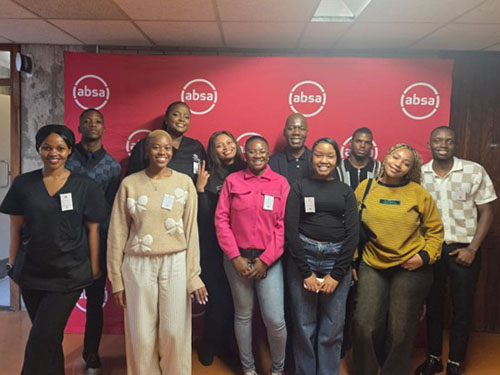 TUT students take part in the EDHE Ignite programme at Wits.
In the month of May, the support was channelled primarily through active participation in national competitions, innovation challenges, and structured entrepreneurial development programmes coordinated in partnership with Entrepreneurship Development in Higher Education (EDHE), a national initiative aimed at embedding entrepreneurship as a core component of the higher education experience across South African institutions.
TUT students take part in the EDHE Ignite programme at Wits.
In the month of May, the support was channelled primarily through active participation in national competitions, innovation challenges, and structured entrepreneurial development programmes coordinated in partnership with Entrepreneurship Development in Higher Education (EDHE), a national initiative aimed at embedding entrepreneurship as a core component of the higher education experience across South African institutions.
Students were encouraged and supported to participate in several flagship EDHE-linked initiatives. Among these was the EDHE ABSA Entrepreneurship Innovarsity competition, a national platform that allows students from institutions across the country to showcase innovative business concepts, compete for funding and recognition, and engage with industry experts, investors, and fellow student entrepreneurs. Participation in this competition exposed students to rigorous business model development, pitching, and feedback processes that mirror real-world entrepreneurial demands.
In addition, students participated in the EDHE Mr Price Foundation Challenge, a competition designed to support youth-led enterprises in the retail, fashion, and creative industries, while also providing structured mentorship and capacity building. The Challenge gave participating students the opportunity to refine their business ideas under the guidance of experienced industry mentors and to gain practical insight into the operational and commercial realities of running a business in a competitive sector.
Furthermore, students participated in the EDHE Ignite programme, hosted in collaboration with the University of the Witwatersrand. The Ignite programme is specifically structured to ignite entrepreneurial thinking among students through workshops, ideation sessions, and structured engagement with successful entrepreneurs and innovation practitioners. This collaborative initiative not only deepened students’ understanding of innovation ecosystems but also fostered inter-institutional networking, allowing students to interact with peers from other universities, share ideas, and build relationships that may support future collaborative ventures.
Collectively, these programmes provided students with structured opportunities to develop skills in areas such as business planning, financial literacy, pitching, and innovation management. They provided access to mentorship from experienced entrepreneurs and industry professionals, who offered practical guidance and constructive feedback on student ventures. They facilitated meaningful networking opportunities, connecting students with peers, mentors, investors, and representatives from supporting organisations and corporate partners. Finally, they exposed students to broader national-level innovation ecosystems, helping them understand the support structures, funding mechanisms, and developmental pathways available to aspiring entrepreneurs beyond the institution itself.
TUT’s support extended beyond simple encouragement to include transport and travel arrangements for students attending various national entrepreneurship activities, thereby removing a significant potential barrier to participation. By covering or coordinating these logistical needs, the institution ensured that financial or transport-related constraints did not prevent deserving and motivated students from accessing these high-value developmental opportunities.
Driven by the Innovation and Technology Transfer Office under the Directorate of Research and Innovation, the combination of programmatic participation and practical institutional support reflects a deliberate and sustained commitment to nurturing an entrepreneurial culture among students.