Inaugural TUT Symposium connects language, communication and media research
Academics
4 September 2026
By Apfaho Madega
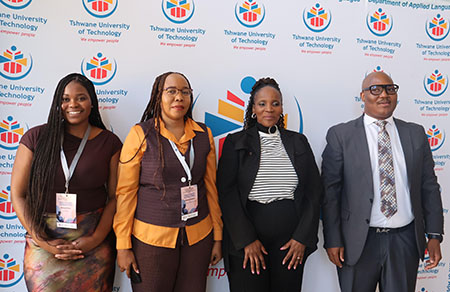
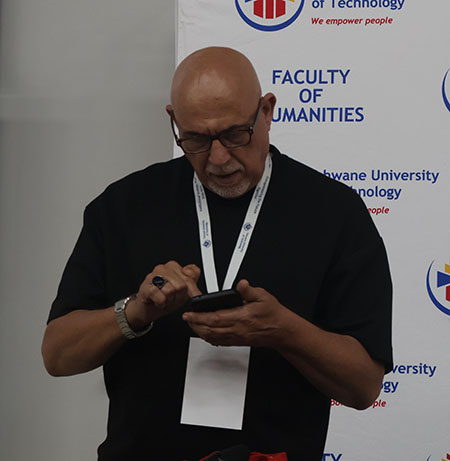
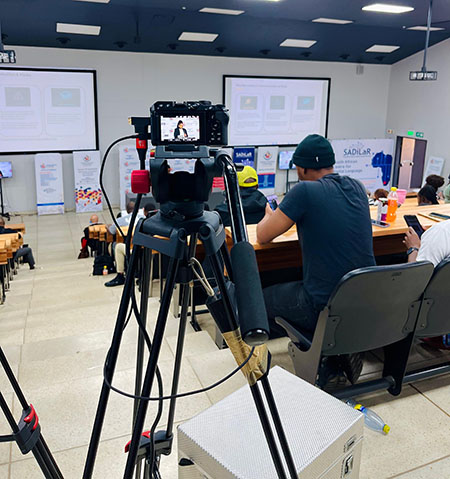
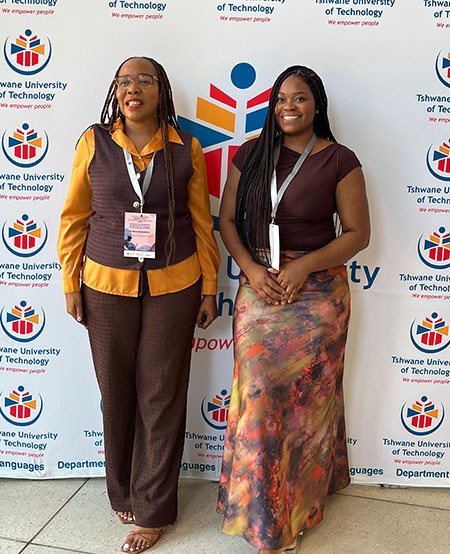
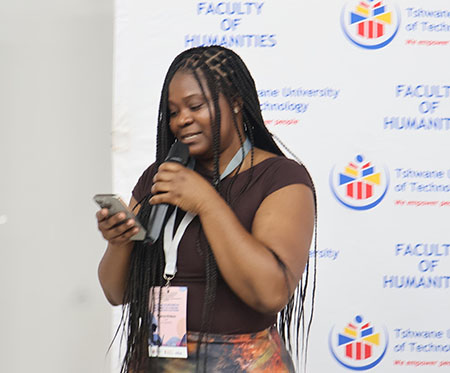
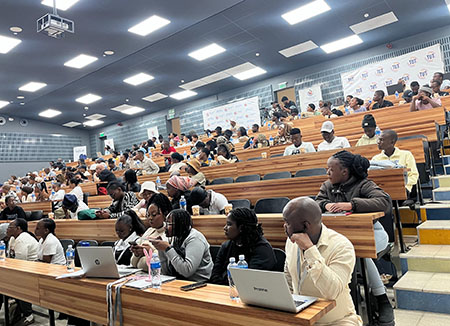
Language, communication and media scholars gathered at the Tshwane University of Technology's Soshanguve North Campus on 28 August 2026 for the inaugural Interdisciplinary Symposium on Language, Communication and Media.
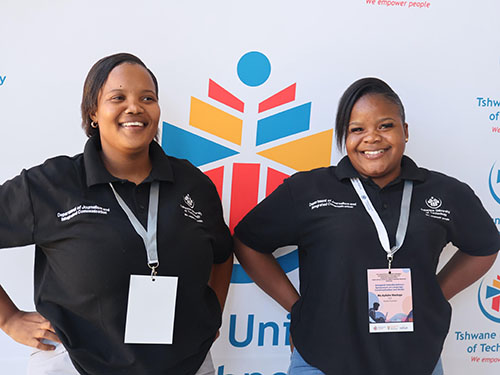 Marking an important achievement in interdisciplinary collaboration, the event created a platform for academics, researchers, students and industry professionals to engage with emerging research, publication opportunities, artificial intelligence (AI) and African language development.
Hosted by the Department of Applied Languages, the Department of Journalism and Integrated Communication and the South African Centre for Digital Language Resources (SADILaR) Campus, the symposium explored the theme Connecting Communities through Language, Communication and Media. Discussions focused on academic research, publication, AI, African languages and the role of media and communication in society.
Anza Phidana, Work-Integrated Learning Coordinator for Integrated Communication, welcomed delegates and encouraged students, especially those considering postgraduate studies, to use the symposium to deepen their understanding of research and academic scholarship.
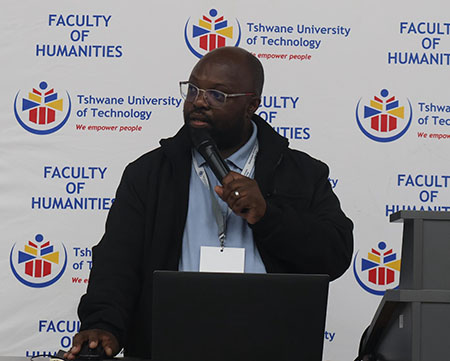 Dr Maria Mushaathoni, Head of Journalism and Integrated Communication, highlighted the interconnectedness of language, communication and media. She encouraged students to embrace research opportunities and continue developing their research and writing skills.
Dr Hendrietta Segabutla delivered a message on behalf of Prof Tebogo Rakgogo, Head of Applied Languages. Prof Rakgogo described the inaugural symposium as an important platform for master's and doctoral students, postdoctoral fellows, academics, researchers and policymakers to engage with contemporary issues in language, communication and media. He also emphasised the importance of strengthening African languages in academic, scientific, economic and media spaces and acknowledged SADiLaR's contribution to language scholarship and digital humanities.
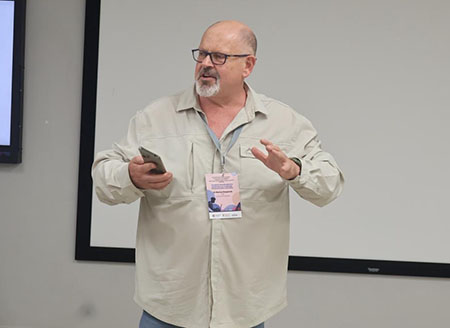
Prof Peter Mandende presented Writing for Publication: Converting Your Dissertation or Thesis into a Publishable Article. He encouraged researchers to identify meaningful research gaps, engage constructively with feedback and view publication as a process of continuous improvement. He also stressed that research ethics extends beyond plagiarism to include informed consent, confidentiality and responsible data collection.
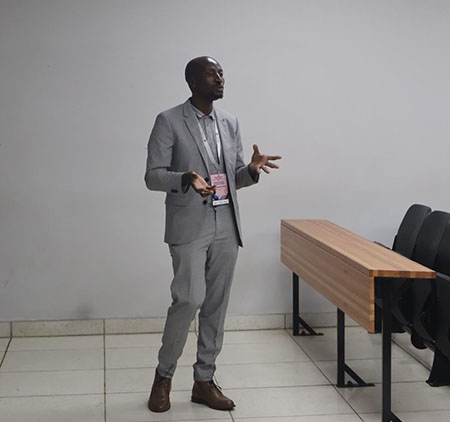 Hopewell Radebe, Projects and Office Manager at the South African National Editors' Forum (SANEF), encouraged students and researchers to communicate knowledge to wider audiences using media platforms. He advocated for the continued development of African languages in business, science, economics and technology and urged researchers to build relationships with media professionals early in their research journeys.
Prof Sibongile Mnisi from Educational Foundation explored the growing influence of AI in communication, media and research. While acknowledging its benefits, she emphasised the importance of human judgement, critical thinking and ethical responsibility. She also highlighted the need for AI technologies that better reflect African languages, cultures and knowledge systems.
The symposium concluded with research presentations from Applied Languages and Journalism and Integrated Communication delegates. Topics included TikTok in news reporting, AI language tendencies, social media and corporate communication, eFiling adoption, multilingualism, language preservation, marketing communication and dissemination of revised orthographic rules in Sepedi.
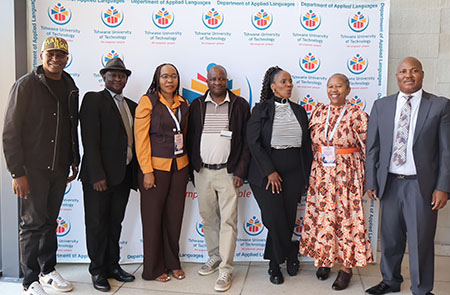 Presentations gave emerging researchers an opportunity to share their work, engage with academics and gain practical experience presenting research to scholarly audiences.
By establishing a platform for interdisciplinary dialogue, research dissemination and emerging scholarship, the inaugural symposium reinforced the importance of connecting language, communication and media research with broader societal needs while creating opportunities for future collaboration.