Humanising learning drives student agency success at TUT
Academics
6 May 2026
A landmark three-part webinar series hosted by the Tshwane University of Technology since the beginning of 2026, advances a unified approach to teaching, learning and student success. It positions pedagogy as a strategic system that shapes engagement, resilience and progression while strengthening institutional intelligence.
 Prof Ben van Wyk, Deputy Vice-Chancellor
The webinar series titled Humanising Learning and Pedagogy Systems: Designing for Student Agency Success and Institutional Intelligence, under the auspices of the University Capacity Development Programme (UCDP) and Office of the Deputy Vice-Chancellor: Teaching Learning and Technology, advances a shared institutional understanding of teaching and learning as a strategic system shaping student success.
Prof Ben van Wyk, Deputy Vice-Chancellor
The webinar series titled Humanising Learning and Pedagogy Systems: Designing for Student Agency Success and Institutional Intelligence, under the auspices of the University Capacity Development Programme (UCDP) and Office of the Deputy Vice-Chancellor: Teaching Learning and Technology, advances a shared institutional understanding of teaching and learning as a strategic system shaping student success.
Two international scholars, Dr William Rankin and Bea Leiderman, developed the Follow–Tinker–Make–Share (FTMS) framework, which anchored the series. The model foregrounds learner agency, formative feedback and authentic engagement in digitally mediated environments and offers a practical structure for designing academically rigorous and psychologically meaningful learning experiences.
Teaching practice turns into an institutional strategy
The series positioned pedagogy as an upstream driver of student success. Sessions showed how curriculum design, assessment practices and learning environments proactively shape engagement, resilience and progression rather than treating support as a downstream response.
Dr Rankin led the first session on 10 February 2026 for the School of Education, exploring how teaching practices shape learner identity, agency and belonging. The session framed pedagogy as an ethical relational act and highlighted productive struggle, meaningful feedback and learner voice.
Leiderman contributed to the second session on 16 February 2026, which brought together Higher Education Development and Support professionals to examine how student support, curriculum and learning design intersect across the student lifecycle. The session emphasised a shift from reactive support to integrated preventative systems aligned with pedagogy.
Dr Rankin and Leiderman jointly facilitated session 3 on 25 February 2026, which engaged academic leadership and positioned humanising pedagogy as a strategic lever for institutional success. The session showed how learning design generates actionable insights into student engagement, stress patterns, and progression and strengthens institutional intelligence.
Coherent institutional conversation
 Bea Leiderman
The series established a strong alignment across teaching support and strategy. It demonstrated that student success is shaped by curriculum and pedagogical design decisions; humanising pedagogy enables early relational preventive support; and learning environments generate institutional intelligence for proactive decision-making.
Bea Leiderman
The series established a strong alignment across teaching support and strategy. It demonstrated that student success is shaped by curriculum and pedagogical design decisions; humanising pedagogy enables early relational preventive support; and learning environments generate institutional intelligence for proactive decision-making.
The initiative brought academics, student support practitioners and institutional leaders into a shared dialogue and strengthened alignment in a complex higher education environment focused on access and success.
From engagement to sustained impact
TUT established a Community of Practice to advance integration of humanising pedagogy into teaching, learning and support systems. The University recorded these sessions and made them available to the broader community to extend reach and impact.
Looking ahead
TUT signals a shift toward a design-led integrated approach to student success that recognises conditions for success are created early. The University continues to strengthen its position within a global movement advancing higher education systems that are both effective and deeply human.
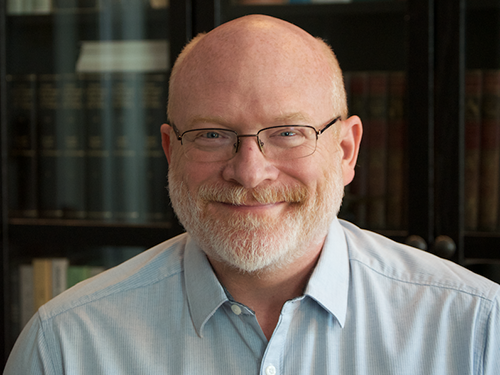 Dr William Rankin