Future women leaders gain first-hand insight into Public Service careers
Academics
4 September 2026
By Nkosinathi Mahlalela
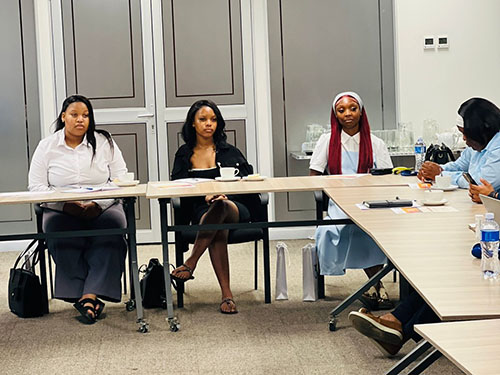
Career pathways in government came into sharper focus when third-year Public Affairs students gained first-hand exposure to public service institutions during the Department of Public Management's Women's Workplace Exposure Edition. The initiative connected students with experienced practitioners, practical workplace environments and diverse career opportunities across government, strengthening the link between academic learning and professional practice.
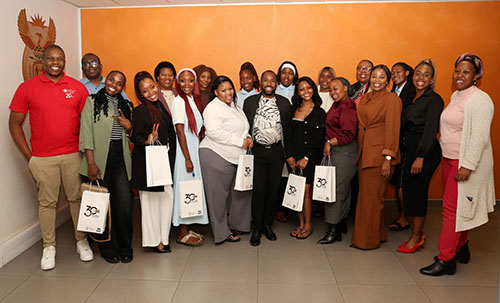 Through this initiative, the Department of Public Management reaffirmed its commitment to empowering future women leaders through its Work-Integrated Learning (WIL) Women's Workplace Exposure Edition. In partnership with the Department of Public Service and Administration (DPSA), Department of Planning, Monitoring and Evaluation (DPME), National School of Government (NSG) and South African Association of Public Administration and Management (SAAPAM), the programme gave third-year Public Affairs students valuable exposure to the public service environment.
The initiative enabled students to engage with experienced practitioners, explore career pathways and gain practical insight into public administration, leadership and public sector service delivery. By engaging directly with government institutions, students experienced how public administration principles translate into practice and how professionals apply them in workplace settings.
One group visited the Department of Planning, Monitoring and Evaluation (DPME), where Mr RS Mphiwa from the Office of the Director-General introduced students to the department's strategic role in supporting government priorities and promoting effective public administration.
.jpeg) Rosemary Pule presented the work of the Planning Branch, highlighting how planning informs strategic priorities, coordinates programmes and supports organisational performance. Kgaugelo Moshia-Molebatsi followed with insights into monitoring functions, demonstrating how government evaluates programmes, measures progress and promotes accountability in the use of public resources.
Rosemary Pule presented the work of the Planning Branch, highlighting how planning informs strategic priorities, coordinates programmes and supports organisational performance. Kgaugelo Moshia-Molebatsi followed with insights into monitoring functions, demonstrating how government evaluates programmes, measures progress and promotes accountability in the use of public resources.
These engagements gave students a clearer understanding of how planning, implementation, monitoring and performance management work together to support effective service delivery.
A second group participated in a workplace programme hosted by the Department of Public Service and Administration (DPSA). Sakie Likubu from the DPSA Partnership Office introduced students to the department's mandate and emphasised the value of partnerships in building a capable and professional public service.
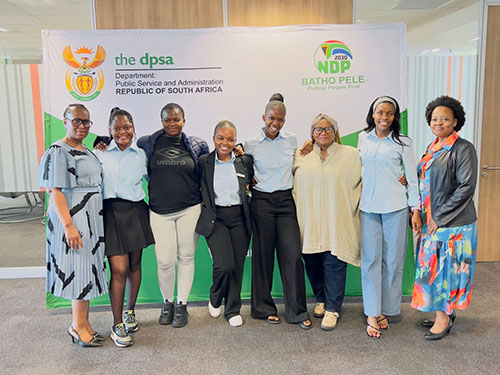 One of the highlights was the opportunity for students to spend the day with public service practitioners. This immersive experience exposed them to the daily operations of government and allowed them to observe public officials carrying out their responsibilities in a professional environment.
Students spent time in areas such as Human Resources and Policy, where they interacted directly with practitioners, asked questions and gained practical insight into the functions of these divisions. The experience helped them develop a realistic understanding of workplace expectations, responsibilities and career opportunities in the public sector.
A third group visited the National School of Government (NSG), where students explored functions that contribute to the development of a capable, ethical and professional public service.
Emmanuel Chauke, Director: Cadet and Youth Development, shared insights into youth development initiatives and opportunities available to young people entering public service careers.
.jpeg) Dr Tumisho Maitsi, Chief Director: Research and Knowledge Management, highlighted the role of research, knowledge management and evidence-based decision-making in strengthening public sector performance.
Dr Tumisho Maitsi, Chief Director: Research and Knowledge Management, highlighted the role of research, knowledge management and evidence-based decision-making in strengthening public sector performance.
Mmatsie Makhado, Deputy Director: ICT, explained how technology supports modern government operations and service delivery. Lesego Komane, Director: Finance, introduced students to the financial management aspects of public administration, while Petunia Hlophe, Director: Middle Management, shared perspectives on leadership and management in government.
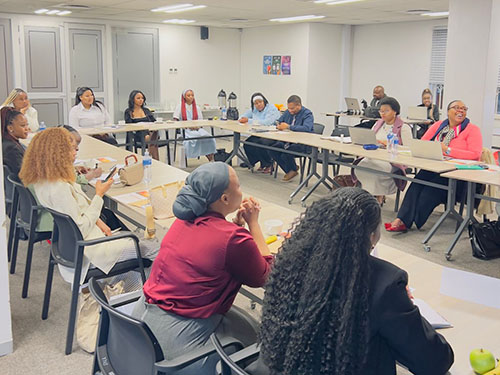
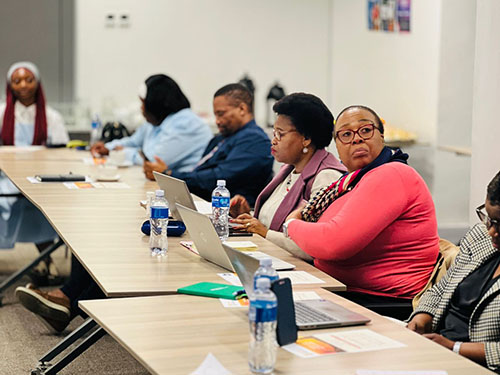 Malebo Ralehlaka, Deputy Director: Communication, concluded the programme with a presentation on the role of communication in supporting public institutions and fostering engagement between government and citizens.
Collectively, the engagements showcased the multidisciplinary nature of public administration and highlighted the wide range of career opportunities available in the public sector.
The Women's Workplace Exposure Edition forms part of the Department of Public Management's broader commitment to bridging the gap between theory and practice through meaningful Work-Integrated Learning opportunities. By creating direct engagement with government departments and public-sector professionals, the Department provides transformative learning experiences that equip students with practical knowledge, professional insight, and the confidence to become capable and ethical leaders in tomorrow's public service.
.jpeg)
.jpeg)
.jpeg)
.jpeg)