Former TUT Photography student’s film hits the big screen
Academics
26 March 2026
By Gerrit Bester
Lungisani Mjaji, a Commercial Photography alumnus, shot to fame when a photo he took of his niece carrying an Albany loaf went viral on social media. He now has a film screening at the IMAX theatre.
 Lungisani Mjaji
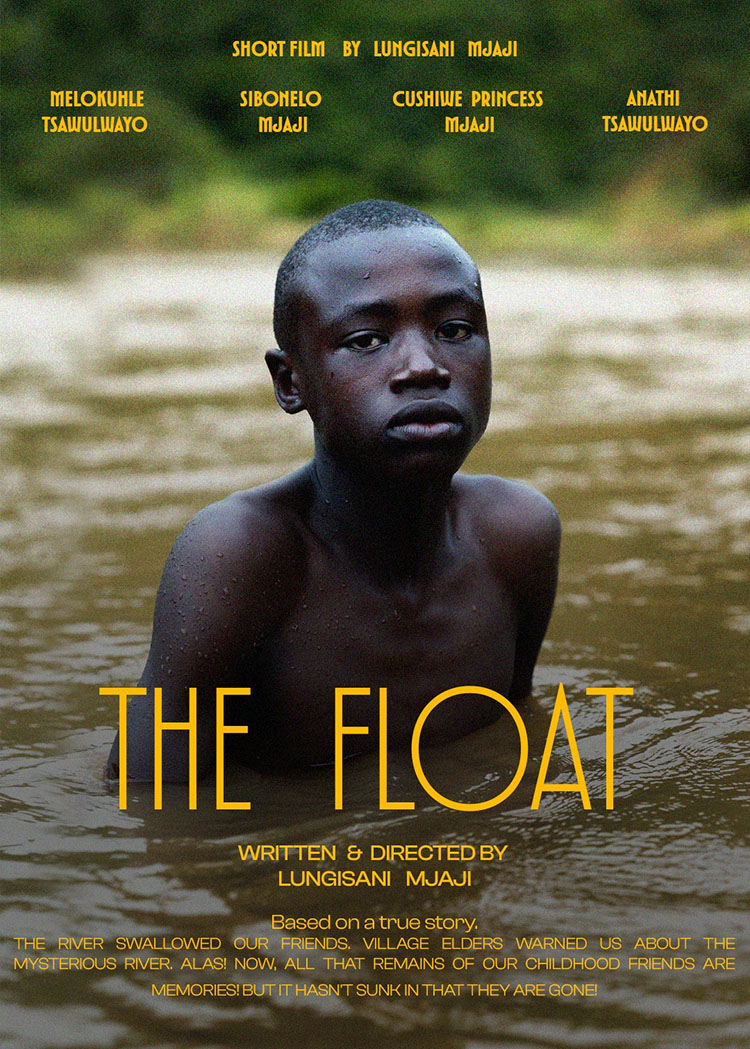
What true story inspired your short film, The Float, and what themes did you want the audience to feel or understand? Growing up in villages across South Africa, many of us disobeyed our parents, and sadly, we lost childhood friends along the way. My short film draws on these real-life experiences and aims to show people who have lost loved ones or friends in childhood that they are not alone. It's a story of relatability, connection and awareness.
Lungisani Mjaji
What true story inspired your short film, The Float, and what themes did you want the audience to feel or understand? Growing up in villages across South Africa, many of us disobeyed our parents, and sadly, we lost childhood friends along the way. My short film draws on these real-life experiences and aims to show people who have lost loved ones or friends in childhood that they are not alone. It's a story of relatability, connection and awareness.
What was the most challenging part of taking an idea from inspiration to a finished short film? Bringing this short film to life took years, from scribbling ideas on paper to seeking funding. When I spotted the IMAX competition, I seized the opportunity, submitting my storybook and pitch deck. Having been selected as a finalist, I had just three days to shoot and edit the film with no funding and only a camera. Drawing on years of planning, I enlisted the help of my mother (Cushiwe Princess Mjaji), my nephew (Sibonelo Mjaji) and the Tsawulwayo brothers (Melokuhle and Anathi). Despite being non-professional actors, they are natural storytellers and together we nailed it. Storytelling is in our blood, and we brought this raw and real story to life.
How did you react when you learned your film was selected for screening at IMAX? My stories are raw, real and untold – that's what makes them special. When I start a project, I approach it with faith and determination. I give it my all, leaving no room for doubt. When my short film dropped, I was stoked – not just for myself, but for my village too. Those kids in the film? I opened a door for them, a pathway to possibilities. I was happy my short film was selected. It felt like validation of all my hard work and dedication.
What does it mean to you as a filmmaker (and as a former Photography student) to have your work shown on an IMAX platform? The key is growth and dedication to your passion. Keep creating, even when no one's watching, and trust the process. Be your own biggest fan and your work will shine. Tell your story, stay curious and keep learning – forever a student, every day a lesson.
What do you hope audiences take away after watching it? I hope that audiences will take away the importance of hope and faith, and of cherishing their loved ones. I also hope they stay curious and remember that there's always a lesson to be learned from listening to your elders.
How did your background in photography influence your filmmaking – camera choices, lighting, framing or storytelling? I approached the composition of each scene as if it were a living image – every shot was a standalone picture, crafted to contribute to the overall narrative. My short film is a series of moving images, with each angle offering a unique snapshot of the narrative.
What skills did you carry over from photography that helped you direct your short film? Composing each scene as if it were a living image.
Do you see yourself moving further into film after this experience? Yes. One day, I will be a world-renowned filmmaker telling indigenous stories.
How important was community and family support to getting this project completed? My neighbours and my mom were so helpful. They have been with me since day one and have always trusted me with their children. I would like to thank my community for everything they have done for me. They didn't start supporting me with this short film, but they have been supporting me for a long time.
What was the collaboration like with Nikon South Africa and what guidance did you receive? Collaborating with Nikon always feels great and it's good to have access to the latest equipment and the opportunity to create.
If you could offer advice to other students/alumni in the Department of Visual Communication at the Faculty of Arts and Design who wish to submit their work for major screenings, what would you tell them? Have hope and create. Collaborate (ungathi wazi konke) and ask for help (uzosizakala).
What’s next for you after the IMAX screening – new projects, new roles, or new goals? I’m planning a series of short films and travelling the world. My target for this year is ten countries. I also want to host exhibitions and live my dream – to be the Lungisani Mjaji that I always wanted to be.
To watch a trailer of the film, click on (https://drive.google.com/file/d/1U_MuK0c68uiW0eWv501MuJ9eCXc42M0N/view?usp=drivesdk)