FEBE receives continued ECSA accreditation for engineering programmes
Academics
27 July 2026
By Mosima Rafapa
The Faculty of Engineering and the Built Environment (FEBE) at the Tshwane University of Technology (TUT) has once again demonstrated the quality of its engineering education after receiving continued accreditation from the Engineering Council of South Africa (ECSA) for three of its undergraduate engineering programmes.
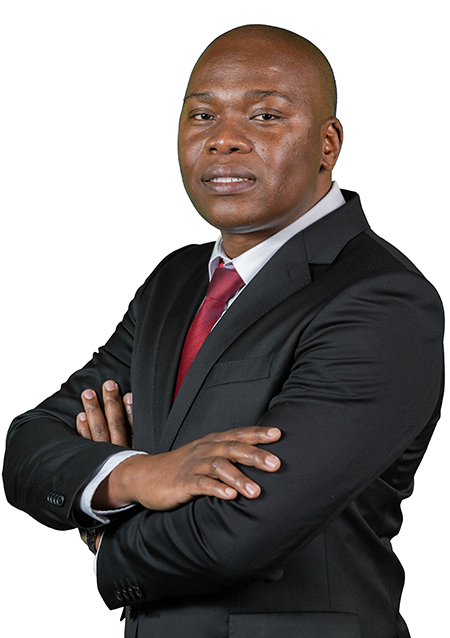 FEBE Executive Dean, Prof Mxolisi Shongwe.
The outcome follows a comprehensive two-day accreditation visit in June 2026, during which ECSA assessors assessed the Faculty's Bachelor of Engineering Technology (BEngTech) programmes in Civil Engineering, Mechanical Engineering and Mechatronics Engineering.
FEBE Executive Dean, Prof Mxolisi Shongwe.
The outcome follows a comprehensive two-day accreditation visit in June 2026, during which ECSA assessors assessed the Faculty's Bachelor of Engineering Technology (BEngTech) programmes in Civil Engineering, Mechanical Engineering and Mechatronics Engineering.
The accreditation panel, comprising representatives from academia and industry, conducted an extensive review of the programmes. The assessment included interviews with academic staff and students, visits to laboratories and other learning facilities, and detailed evaluations of curriculum documentation, assessment practices, and quality assurance processes.
The review concluded with the continued accreditation of all three programmes until the next regular accreditation cycle.
Prof Mxolisi Shongwe, FEBE Executive Dean, welcomed the outcome, describing it as a reflection of the Faculty's commitment to delivering engineering qualifications that meet national and international professional standards.
"This achievement reflects the collective commitment of our academic and support staff to maintaining high standards in teaching, learning and programme quality. Continued accreditation gives our students confidence that they are receiving an education that the engineering profession recognises and aligned with industry expectations," he said.
Head of Department for Mechanical and Mechatronics Engineering, Dr Louis Beneke, said the department is very proud of the ECSA accreditation. “This accreditation means a great deal to us, since it confirms that our programmes meet the high standards set by ECSA. It also assures industry that TUT graduates are well-qualified, competent and equipped with the knowledge and skills required to succeed in the engineering profession.”
The Faculty offers a range of ECSA-accredited qualifications across its engineering disciplines, including Chemical, Electrical, Industrial, Materials and Metallurgical Engineering. These programmes are supported by a strong research culture, innovative teaching practices, industry partnerships, postdoctoral research initiatives, specialised centres and institutes, as well as several research chairs, including the South African Research Chairs Initiative (SARChI) Chair in Energy Solutions for Inclusive and Sustainable Societies and the Chair in Applied Machine Learning and Artificial Intelligence.
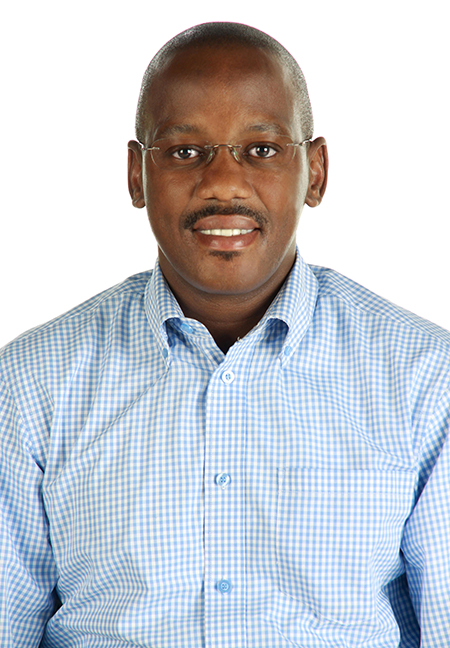 FEBE Acting Faculty Quality Officer, Jones Moloisane.
Jones Moloisane, Acting Faculty Quality Officer, said the outcome confirms the Faculty's focus on quality assurance and continuous improvement.
FEBE Acting Faculty Quality Officer, Jones Moloisane.
Jones Moloisane, Acting Faculty Quality Officer, said the outcome confirms the Faculty's focus on quality assurance and continuous improvement.
"The accreditation process is rigorous and evaluates every aspect of programme delivery. Our programmes meet ECSA's stringent accreditation requirements and are responsive to the needs of both the profession and society," he said.
He added that accreditation provides graduates with a strong foundation for candidate and professional registration with ECSA, enhancing their employability in South Africa and internationally.
"The successful outcome reinforces the University's reputation for producing competent engineering graduates who are equipped to contribute meaningfully to the engineering sector and the country's development,” said Moloisane.
Moloisane added that South Africa, represented by ECSA, has been a member of the International Engineering Alliance (IEA) since 1999.
“It is also a full signatory to the three Educational Accords: the Washington Accord, the Sydney Accord and the Dublin Accord. South Africa became a signatory to the Sydney Accord in 2001. BEngTech degree programmes are recognised under the Sydney Accord, whose signatories are engineering technology accreditation bodies committed to maintaining consistent standards in undergraduate engineering technology education worldwide.”