Duvha Power Station visit strengthens connection with industry
Academics
16 September 2026
By Kgothatso Monono
The Tshwane University of Technology (TUT) is strengthening its connection with industry through practical exposure following a recent visit by lecturers to Eskom’s Duvha Power Station.
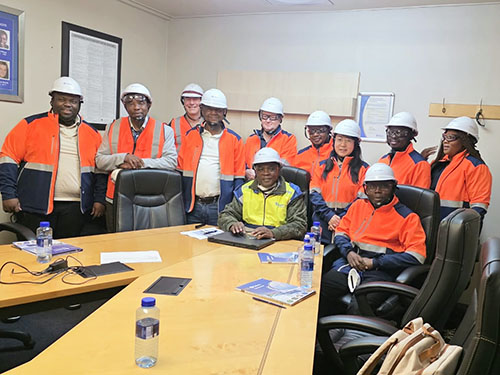 Lectures from the Faculty of ICT visit Duvha Power Station.
Led by Prof Du Chunling, Head of the Department of Computer Systems Engineering (CSE) under the Faculty of Information and Communication Technology (ICT), the visit provided lecturers in the department with an opportunity to gain first-hand insight into the operations and technologies used in large-scale power generation.
Lectures from the Faculty of ICT visit Duvha Power Station.
Led by Prof Du Chunling, Head of the Department of Computer Systems Engineering (CSE) under the Faculty of Information and Communication Technology (ICT), the visit provided lecturers in the department with an opportunity to gain first-hand insight into the operations and technologies used in large-scale power generation.
The Eskom team delivered a comprehensive presentation covering the power-generation process from coal feeding and combustion to steam generation, turbine operation, electricity generation and transmission.
The TUT delegation also gained practical exposure to the power station’s control room and Distributed Control System, field operations and other key areas involved in monitoring, control and automation.
According to Prof Du, the visit was an important opportunity for lecturers to strengthen their understanding of industry practices and technologies relevant to their field.
The exposure provided valuable insight into power generation, industrial control, automation and monitoring systems. She said the visits help lecturers connect theoretical concepts taught in the classroom with their practical application in industry.
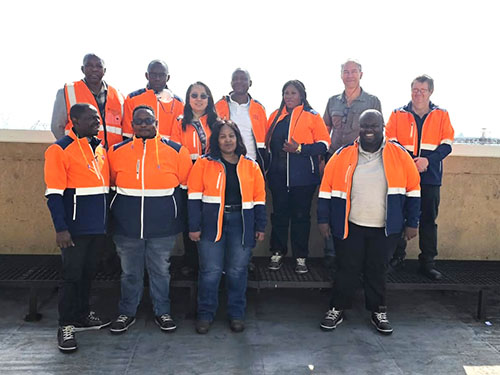 The department is also looking to extend the benefits of the engagement to its students. Two experts from Duvha Power Station are expected to visit TUT in the near future to conduct a workshop for students, giving them an opportunity to engage directly with industry professionals and learn about real-world applications in the energy sector.
Executive Dean of the Faculty of ICT, Dr Etienne van Wyk, welcomed the initiative and encouraged other departments to pursue similar industry engagements. “Industry visits are extremely valuable for staff, particularly since many have never worked in industry,” he said.
The visit forms part of the department’s broader efforts to strengthen industry engagement and ensure that academic knowledge remains connected to current professional practices. Such engagements not only expose lecturers to developments and technologies beyond the university environment but also enrich student learning and prepare graduates for the demands of the workplace.