Digital Mirage exposed at Limpopo Research Forum Conference
AcademicsResearch & Innovation
20 March 2026
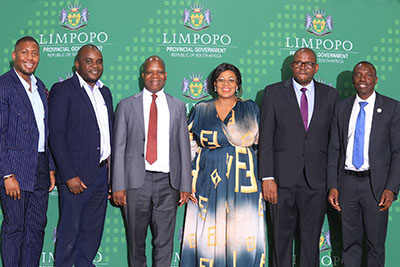
The Limpopo Research Forum and SAAPAM, hosted its 3rd annual conference, uniting academics and officials to examine South Africa’s development path in the digital age.
 The conference, hosted at Palala Boutique and Spa, in the Waterberg District of the Limpopo Province, centred on the theme “Governance, Growth and Geopolitics in the Digital Age: Strengthening State Capacity and Economic Resilience through Technological Transformation” It brought together academics, government officials and research institutions to examine South Africa’s development path.
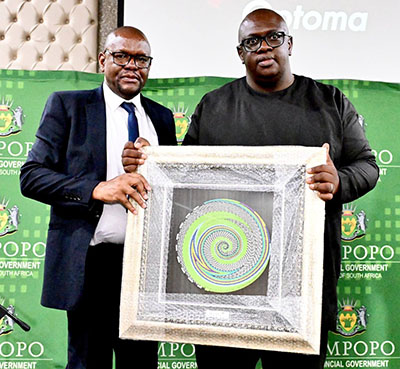
The Limpopo Research Forum, established in 2007 and coordinated by the Research and Development Directorate in the Office of the Premier, drives research collaboration and knowledge sharing across the province. Its membership includes the Limpopo Provincial Government, Statistics South Africa, the University of Limpopo, University of Venda, University of South Africa and the Tshwane University of Technology. In 2023, Tshwane University of Technology, represented by Prof Ricky Mukonza, was appointed the Deputy Chairperson of the Forum.
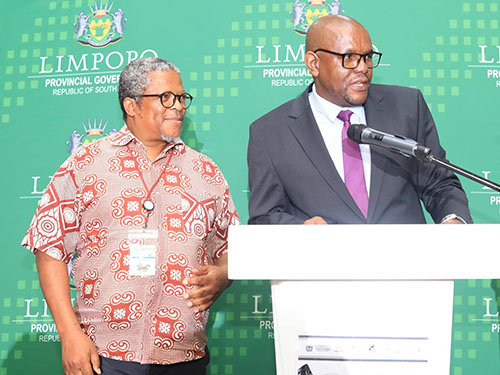
On the first day of the conference, Nape Nchabaleng, Limpopo Government Director General, said South Africa cannot rely on digital solutions while basic services fail and he called for stronger state capacity to deliver real change. The DG’s address further challenged the dominant narrative around the Fourth Industrial Revolution and warned against treating technology as a solution to deep-rooted governance failures.
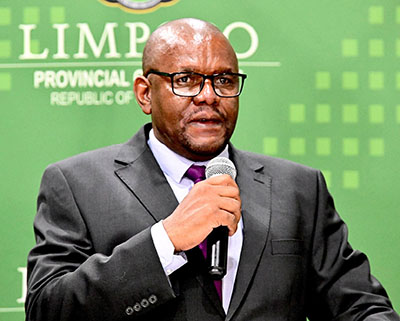 Nchabeleng, represented the Office of the Premier at the 3rd Annual Limpopo Research Forum (LRF) Conference. He officially opened the conference on behalf of Premier, Dr Phophi Ramathuba, delivering a keynote address on how digital transformation can drive socio-economic development and strengthen state capacity.
Prof Mukonza, Academic Manager from the Faculty of Humanities at the Tshwane University of Technology’s Polokwane Campus, as well as Deputy Chairperson of the Limpopo Research Forum, helped lead critical discussions at the LRF, where the government’s reliance on digital transformation came under sharp scrutiny. On this first and important day, he served as programme director at the conference opening, with other colleagues from the Polokwane Campus and TUT postgraduate students, mainly from the Faculty of Humanities, taking part in presentations, exhibitions and various organisational roles.
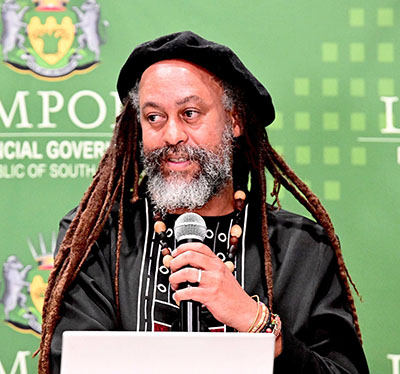
Adv Ras Sipho Mantula, a researcher at the Thabo Mbeki African School of Public and International Affairs, delivered the keynote address, offering a thought-provoking reflection on the future of African governance in the context of natural resources, human security, and shifting geopolitical dynamics.
Adv Mantula argued that sustainable development in Africa must be anchored in the protection and advancement of human security, particularly with regard to access to water, food, land, energy and environmental sustainability.
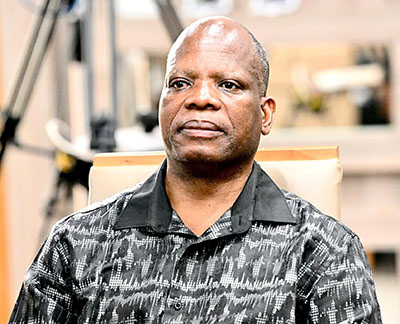 Adv Mantula cautioned against the uncritical adoption of emerging technologies such as artificial intelligence, urging policymakers and researchers to balance technological progress with the preservation and integration of indigenous knowledge systems. He further highlighted the intensifying global competition for natural resources and stressed the importance of ethical leadership, regional cooperation, and research-driven policymaking to position Africa strategically within the global geopolitical landscape.
The second day saw Prof Kgothatso Shai, the President of SAAPAM (South African Association of Public Administration Management), addressing conference attendees, emphasising the centrality of professionalism, scholarship and human capability in strengthening state capacity in the digital era.
After his address, conference attendees participated in breakaway sessions aligned with the conference’s five sub-themes; Digital governance and state modernisation, Building digital skills for a capable and future-orientated state, Public sector innovation and cybersecurity readiness, Stem education and industrialisation in the knowledge economy and public sector innovation, as well as Geopolitical disruptions and digital economies.
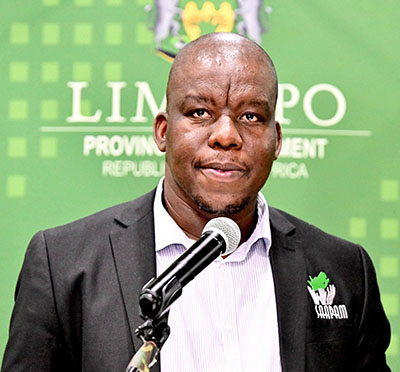 On the third and final day, various stakeholders did presentations, including:
- Moses Ngobeni, Chief Executive Officer of the Limpopo Tourism Agency, who emphasised the strategic role of tourism in promoting regional economic growth.
- Adv Malepe Phillip Makobe, Acting Director-General of the Department of Planning, Monitoring and Evaluation (DPME), who delivered a presentation on strengthening state capacity and economic resilience through technological transformation. He hammered on the need for a capable and ethical state as a driver for economic development in South Africa
The conference concluded with official closing remarks by Prof Mukonza, bringing the successful gathering to a close. Prof Mukonza thanked delegates and partners for their participation in the Third Annual Limpopo Research Forum Conference and reflected on the thought-provoking discussions that addressed governance, development challenges, public administration and global issues. He emphasised the importance of collaboration between government and higher education institutions, noting that research should influence policy and community development. Prof Mukonza also highlighted the need for interdisciplinary engagement, broader participation in future conferences and greater support for emerging researchers, expressing optimism for an even stronger fourth annual conference.