Cyber safety awareness initiative empowers young digital citizens
Academics
12 June 2026
By Kgothatso Monono
The Tshwane University of Technology’s Faculty of Information and Communication Technology (ICT) partnered with The Cyberculture Foundation to equip learners at Jiswa School in Lenasia with essential knowledge and skills to navigate digital spaces safely, responsibly and confidently.
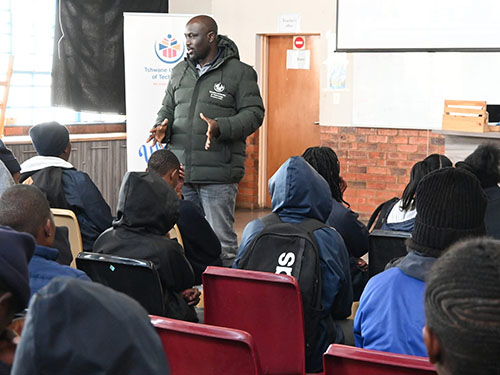
 from left Prof Topside Mathonsi,Dr Tshimangadzo Tshilongamulenzhe and Dr Tendani Lavhengwa
The cyberbullying awareness outreach programme focused on online safety, responsible digital behaviour and creating positive online environments. The initiative forms part of ongoing efforts to prepare young people for an increasingly digital world while promoting digital wellness and responsible citizenship.
from left Prof Topside Mathonsi,Dr Tshimangadzo Tshilongamulenzhe and Dr Tendani Lavhengwa
The cyberbullying awareness outreach programme focused on online safety, responsible digital behaviour and creating positive online environments. The initiative forms part of ongoing efforts to prepare young people for an increasingly digital world while promoting digital wellness and responsible citizenship.
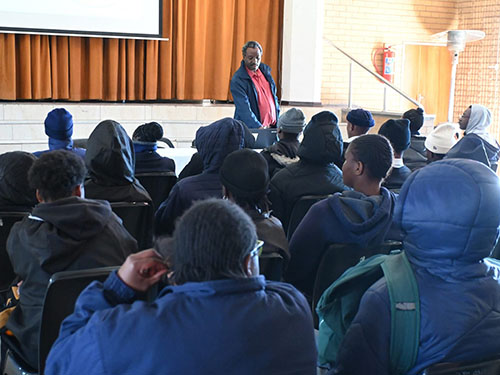
The programme addressed key issues, including recognising cyberbullying, understanding online risks, protecting personal information, using social media responsibly and knowing where to find help when facing online harassment. Interactive discussions and practical examples encouraged learners to reflect on their online behaviour and its impact on others.
Prof Topside Mathonsi, Head of Information Technology and volunteer at The Cyberculture Foundation, said the initiative aimed to help learners understand the importance of responsible technology use.
“Technology has the power to connect, educate and empower us, but it must always be used responsibly. We want learners to understand that kindness, respect and empathy are just as important online as they are in the physical world. By educating young people about cyberbullying, we are helping to create safer digital communities for everyone,” he said.
Prof Mathonsi also highlighted the importance of collaboration between higher education institutions and community organisations in addressing digital challenges affecting young people.
Dr Tshimangadzo Tshilongamulenzhe, Senior Lecturer in Information Technology, said cyberbullying is one of the most significant challenges young people face in the digital age.
“Many learners spend a significant amount of time online, whether for learning, entertainment or social interaction. It is therefore essential that they understand the risks associated with digital platforms and know how to protect themselves. Our goal is to empower learners to recognise cyberbullying, respond appropriately and seek help when needed,” he said.
 He added that awareness initiatives help build confidence and encourage responsible digital citizenship.
Dr Tendani Lavhengwa, Senior Lecturer and Section Head in Informatics, emphasised that digital literacy and cyber safety must develop together.
“As technology evolves, learners need more than technical skills. They need the knowledge to make safe and ethical decisions online. We want learners to understand that every action they take online leaves a digital footprint and that they have a responsibility to contribute positively to the digital spaces they occupy,” he said.
Dr Lavhengwa encouraged learners to use technology as a tool for learning, creativity and personal growth while contributing positively to online communities.
The outreach was particularly valuable for Jiswa School, which supports learners with special educational needs. The programme provided practical guidance on recognising unsafe online situations, protecting personal information and asking assistance from trusted adults when necessary.
School representatives welcomed the initiative and described the session as informative, engaging and beneficial for both learners and staff. The programme strengthened awareness of cyberbullying while reinforcing the values of empathy, inclusion and respect in digital environments.
The Cyberculture Foundation promotes digital wellness, responsible online behaviour and safer internet use among children and young people. Working with schools, parents, teachers and communities, the organisation equips young people with knowledge and skills to build positive digital identities and become responsible digital citizens.
By joining expertise and resources, TUT’s Faculty of ICT and The Cyberculture Foundation demonstrated a shared commitment to promoting digital wellness and preparing learners to become confident, informed and responsible participants in the digital world.