City of Tshwane unveils colourful environmental awareness mural at TUT Science Campus
Academics
25 May 2026
A striking new awareness mural at the Tshwane University of Technology’s Science Campus is transforming a prominent wall in the Pretoria CBD into a powerful call for environmental responsibility. Developed through a partnership between TUT, the City of Tshwane, the Danish Embassy and the City of Aarhus, the artwork combines art, science and community engagement to promote water conservation, environmental stewardship and sustainable urban development.
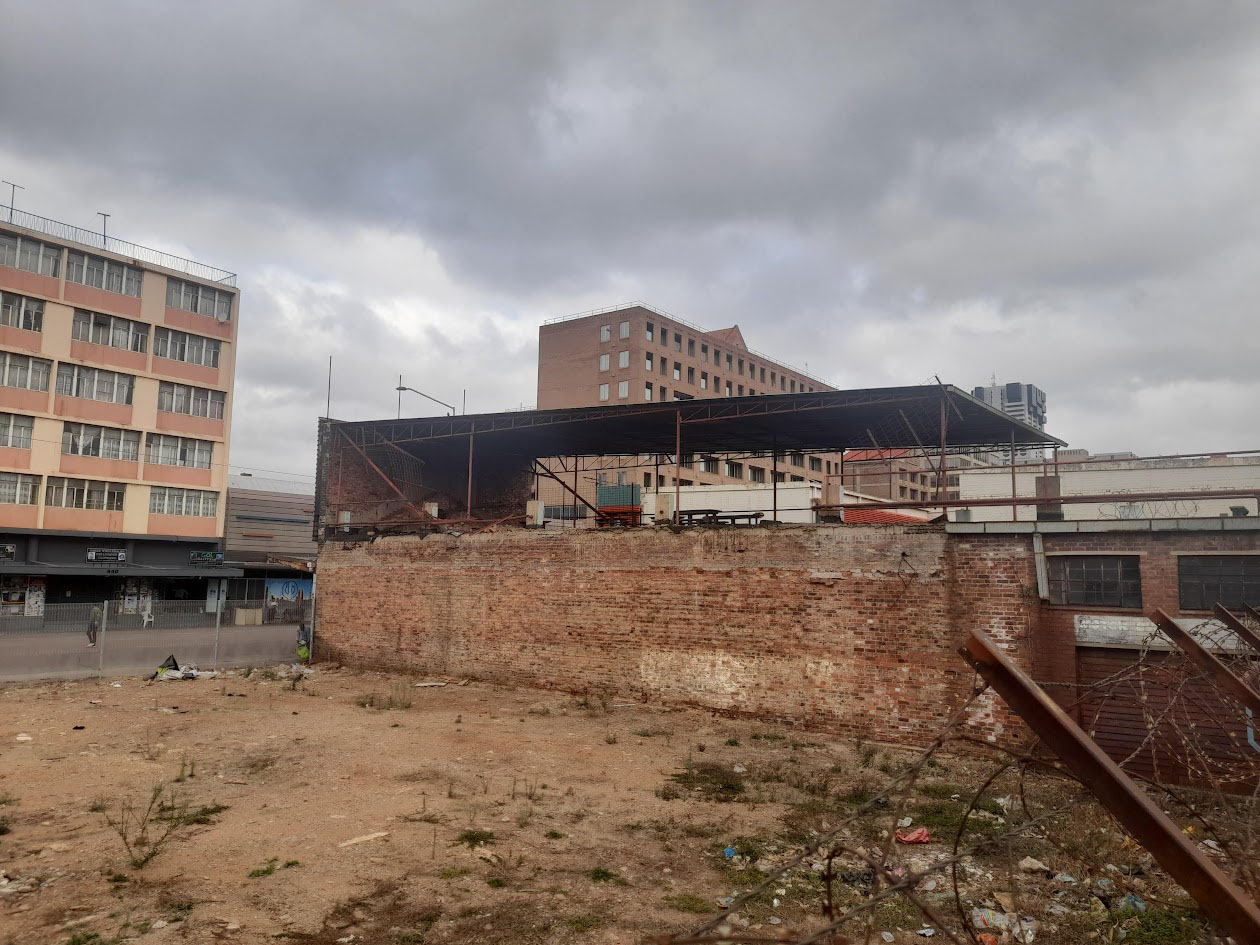 Arcadia Campus before.
Situated on the corner of Nelson Mandela Drive and Helen Joseph Street in the Pretoria CBD, the mural forms part of TUT’s Nature-based Solutions Garden, an innovative learning space where students explore sustainable planting methods and urban drainage solutions. Carrying the message “Let’s Clean up our Act”, the artwork serves as a visible reminder of the importance of environmental stewardship and collective action, while calling on residents to take greater responsibility for protecting natural ecosystems and conserving water.
Arcadia Campus before.
Situated on the corner of Nelson Mandela Drive and Helen Joseph Street in the Pretoria CBD, the mural forms part of TUT’s Nature-based Solutions Garden, an innovative learning space where students explore sustainable planting methods and urban drainage solutions. Carrying the message “Let’s Clean up our Act”, the artwork serves as a visible reminder of the importance of environmental stewardship and collective action, while calling on residents to take greater responsibility for protecting natural ecosystems and conserving water.
The mural was unveiled through a collaboration between TUT, the City of Tshwane, the Danish Embassy and the City of Aarhus in Denmark. The initiative forms part of the Tshwane-Aarhus city-to-city partnership that seeks to advance sustainable water management and strengthen climate resilience through innovation, knowledge sharing and community engagement.
The artwork features South Africa’s national bird, the blue crane, highlighting its vulnerability to pollution and environmental degradation. Positioned near the historic Apies River, the mural draws attention to the importance of safeguarding natural resources and preserving the city’s environmental heritage for future generations.
The mural concept was developed jointly by the partner cities, the Danish Embassy and the Capital Collective. Local artist, Jaco Uitenweerde, brought the vision to life, transforming a public space into a platform for environmental awareness, dialogue and education. Through creative expression, the project demonstrates how public art can encourage reflection on critical sustainability issues while revitalising urban spaces.
Karin Poulsen, Danish Ambassador to South Africa, described the mural as far more than a work of art.
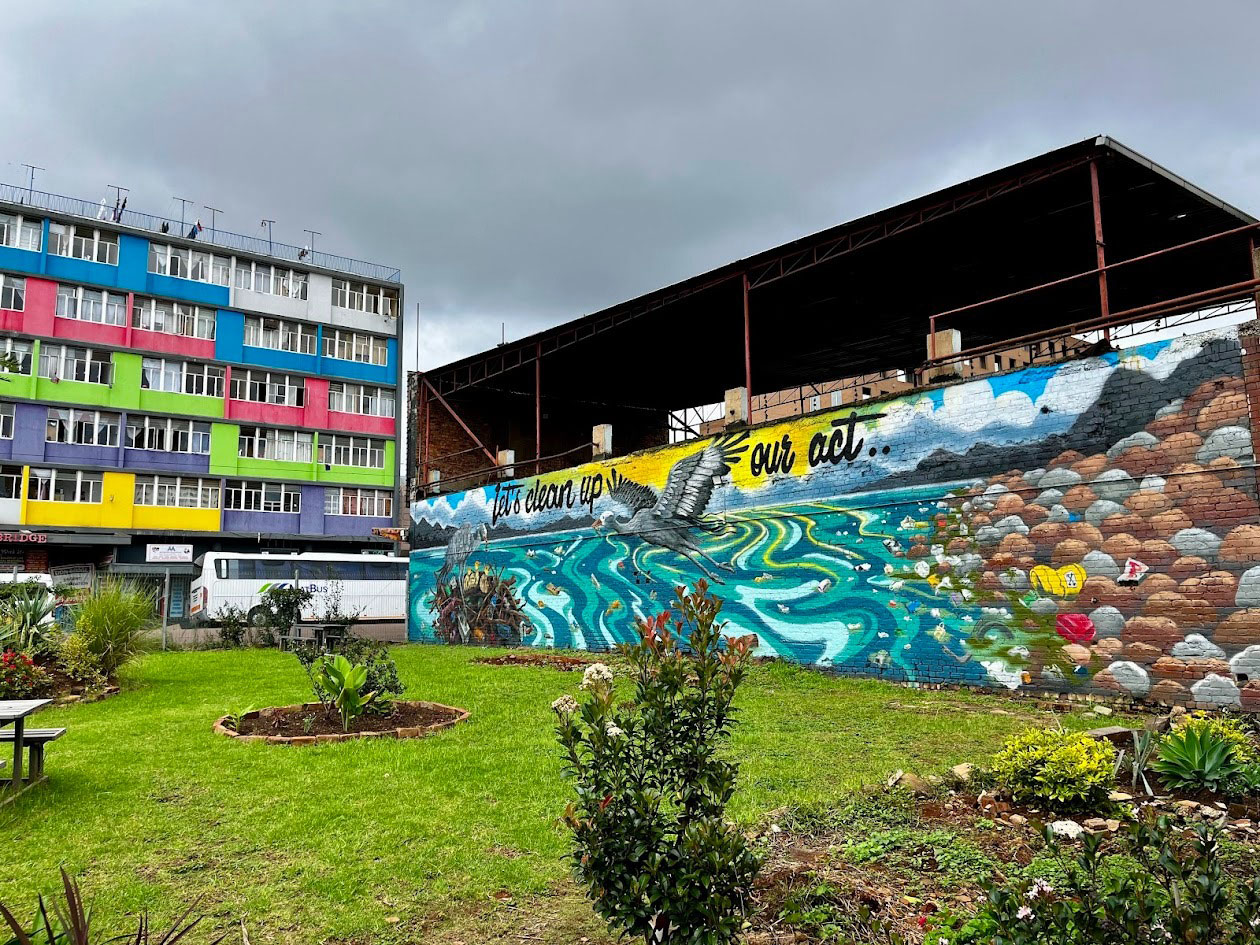 Arcadia Campus after.
“This mural is not just paint on a wall. It is a conversation between art and science, between the university and the city, and between Denmark and South Africa.”
Arcadia Campus after.
“This mural is not just paint on a wall. It is a conversation between art and science, between the university and the city, and between Denmark and South Africa.”
Poulsen explained that the partnership between Denmark and Tshwane is one of six sustainability-focused collaborations currently operating in South Africa. She noted that the mural places important environmental issues in public view, encouraging discussion and awareness around challenges that affect communities daily.
Eugene Modise, Acting Mayor of Tshwane, praised the initiative as a symbol of collaboration and environmental commitment.
“It is an honour to witness a work of art, which is also a symbol of collaboration and commitment to our environment. Art speaks across languages, disciplines and generations. It inspires reflection, dialogue and action.”
Modise said partnerships such as these demonstrate how creativity can help communities reimagine public spaces while promoting positive environmental practices and civic responsibility.
Tebogo Phoofolo, TUT student, said the mural represents responsibility, innovation and active citizenship.
“As young people, we should not only focus on education but also on entrepreneurship and finding solutions to challenges facing our communities.”
Phoofolo believes the artwork symbolises fresh ideas and innovative approaches that can inspire young people to contribute meaningfully to society and environmental sustainability.
Ferrial Adam, representing WaterCAN, highlighted the value of initiatives that unite universities, artists and communities around shared environmental goals.
“Art has the power to make complex issues visible and personal. It helps build awareness and inspires action.”
To mark the launch, partners planted a pepper bark tree, an endangered indigenous species renowned for its medicinal value. The symbolic planting reinforces the project's commitment to conservation, biodiversity restoration and environmental sustainability.
Unveiled during Africa Month 2026, the mural also reflects the continent’s commitment to sustainable development and responsible environmental management. By promoting water conservation and raising awareness about the protection of natural resources, the initiative contributes to the aspirations of the African Union’s Agenda 2063. In particular, it supports efforts to ensure sustainable water availability and safe sanitation systems for all while encouraging citizens to help build resilient, healthy and sustainable communities across Africa.
The project highlights TUT’s commitment to sustainability, applied research and community engagement. By connecting scientific innovation with public art, the university demonstrates how higher education institutions can contribute to meaningful environmental solutions while encouraging practical action toward water stewardship, climate resilience and sustainable urban development.