AI and media dialogue highlights women’s critical leadership role
Academics
4 September 2026
Questions about who builds artificial intelligence, whose voices it amplifies and how women can influence its future sparked thought-provoking discussions during TUT and the Government Communication and Information System’s (GCIS) Coded for Equality: Women, AI and the New Media Landscape dialogue, which highlighted opportunities for women to lead, innovate and shape the future of media and technology.
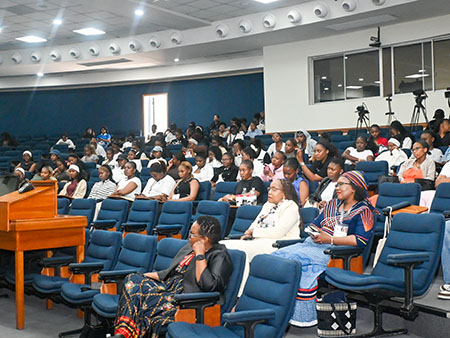
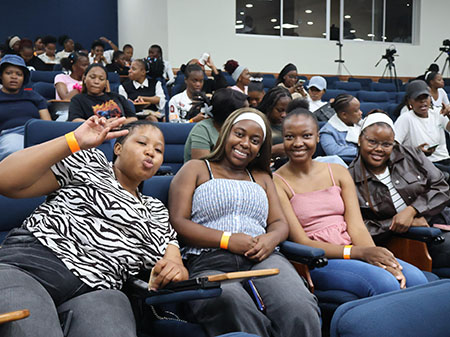
 Academics, government communicators, media professionals and students participated in the discussion that explored how women can influence the future of AI while addressing issues of representation, leadership, ethics and innovation in media and communication.
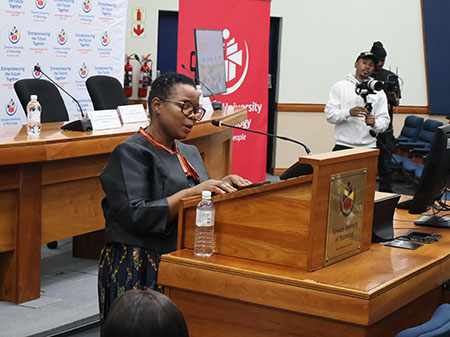
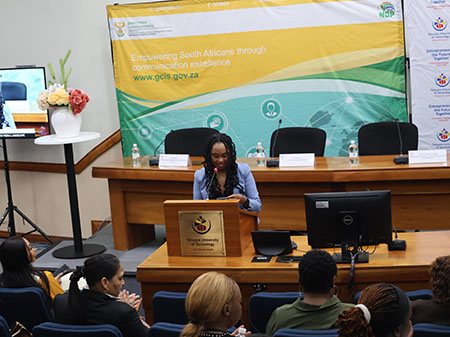
Zanele Mngadi, Chief Director for Products and Platforms at GCIS, opened the dialogue by emphasising that AI is here to stay and that its development must remain fair, ethical and inclusive. She explained that while AI can transcribe interviews, summarise documents and translate content within seconds, it cannot replace human judgement, trust or the responsibility of deciding which stories deserve attention.
Zanele Mngadi also highlighted the challenges many women face in workplaces and online spaces and stressed the importance of expanding access to information, digital skills, and technology. She outlined government initiatives such as Women in Technology and Innovation and Africa Code Week, which seek to strengthen digital inclusion and media literacy.
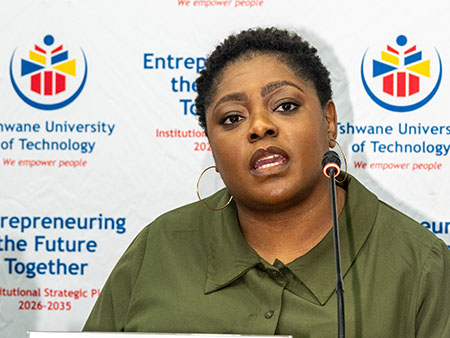
 Nonkululeko Lekubu, a second-year Journalism and Integrated Communication student, reflected on AI's practical value in communication, noting its ability to assist organisations by responding quickly to public conversations and issues as they emerge.
Tumi Lebaka, Chief Executive Officer of the Gauteng Film Commission, delivered the keynote address. She argued that inequality in media existed long before AI and warned that technology alone cannot solve structural challenges. Using industry research, she highlighted the limited representation of women in key creative and technical roles and emphasised the importance of increasing women's participation in technology and content creation.
Lebaka encouraged women not only to use AI tools but also to help develop them by acquiring skills in coding, data, intellectual property, policy and regulation. Her message centred on ensuring that women help shape the technologies influencing society.
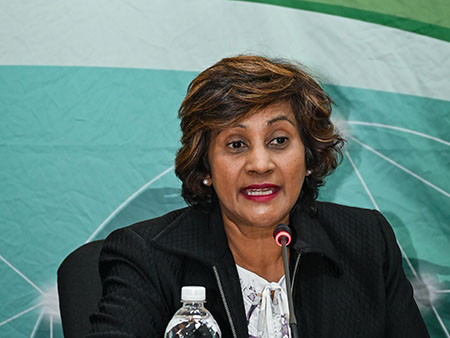 Ahluma Mazwi, a second-year Integrated Communication student, said the discussion challenged her assumptions about women's participation in AI and highlighted the importance of increasing female representation in the field.
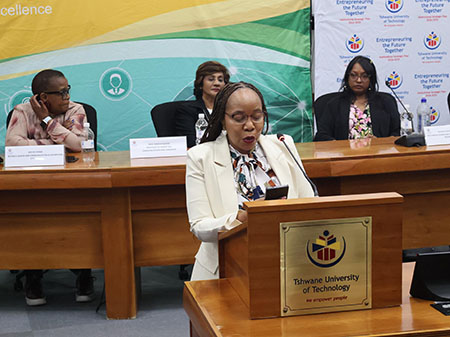
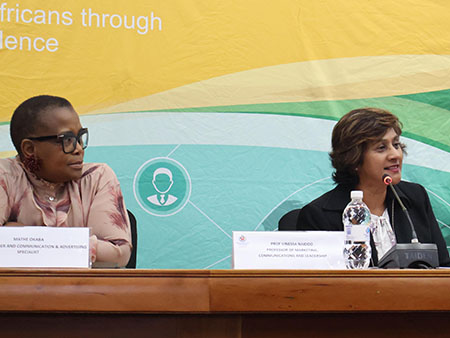
The panel discussion featured voices from media, academia, government and industry. Panellists encouraged students to regard coding and data literacy as important skills for communication and journalism professionals and emphasised that AI should enhance human capabilities rather than replace them.
Discussions also highlighted the importance of ethical decision-making, professional credibility and responsible use of AI-generated content. Panellists encouraged students to view communication qualifications as versatile pathways that can lead to careers in public relations, advertising, marketing, broadcasting and events management.
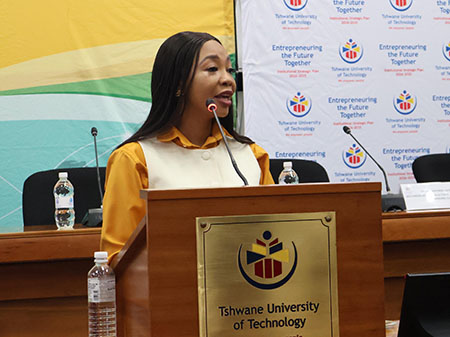 Victoria Mahlangu, a second-year Journalism and Integrated Communication student, said the dialogue reshaped how she views her future career. She noted that while AI may influence journalism, creativity, communication skills and critical thinking will remain essential.
Student questions focused on practical issues, including women's representation in media, workplace policies and how communicators can address bias in AI systems. Panellists encouraged students to contribute positively to digital spaces by creating and sharing content that reflects diverse perspectives and experiences.
Dr Vathiswa Papu-Zamxaka, Deputy Vice-Chancellor for Research, Innovation and Engagement at TUT, closed the formal proceedings by highlighting the distinction between equality and equity. She emphasised the role of scholarships, mentorship and institutional support in creating opportunities for success. She also outlined TUT's investment in AI infrastructure, including a dedicated AI hub and innovation and entrepreneurship centres across its campuses, aimed at preparing students to create opportunities and careers.
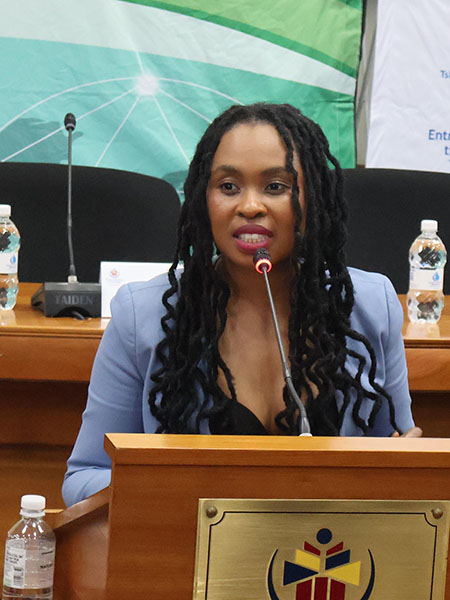 Dr Maria Mushaathoni, Head of Journalism and Integrated Communication, thanked speakers, panellists and students for contributing to the dialogue. She encouraged participants to build on the day's discussions by mentoring others and turning ideas into meaningful action.
The dialogue forms part of a longstanding partnership between TUT and GCIS that seeks to empower women in media while preparing future communication professionals to navigate an increasingly digital world.
- Mpho Murabi is a WIL Assistant at the Department of Journalism and Integrated Communication, Faculty of Humanities, Tshwane University of Technology.