South African Research Chairs (SARChI)
-
The Chair aims to develop research and innovation activities that consider the theoretical and technological aspects of artificial Intelligence (AI) and machine learning.
The activities of the research Chair focus on extending current frameworks for machine learning for and logical-based decision systems. They also consider the geometrical and topological aspects of data and associated machine learning models with the primary objective to overcome the limitations and drawbacks of existing machine learning techniques. Furthermore, the Chair will work on the design of an
open unified cloud platform for AI and machine learning-based systems.The expected innovations of Chair will be twofold. First, contribute to the design of software AI-cloud-based architecture by defining and aggregating the main generic components for AI and machine learning-based projects and providing the automation mechanism. Second, contribute at a theoretical level by providing optimisation frameworks and geometric and topological tools for the different stages of a machine learning project. The objective is to build a unified approach for industrial generative
AI support.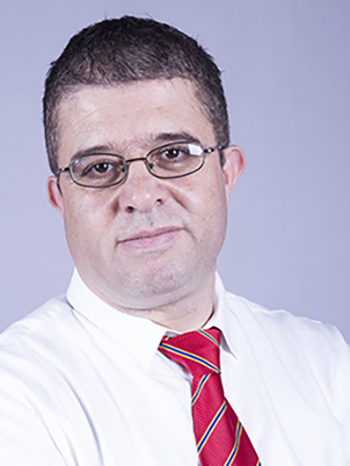
Chair
Prof Karim Djouani
Department: TUT AI Hub/ French South African Institute of Technology (F’SATI)
Faculty: Engineering and the Built Environment
E-mail: DjouaniK@tut.ac.za -
The Chair focuses on the advancement of technologies within the transport sector, particularly in areas such as robotics and manufacturing. The Chair aims to contribute to the development of cost-effective and reliable transport equipment, including railcars, buses, aircraft and ships.

Chair (Interim)
Dr Tshifhiwa Nenzhelele
Department: Industrial Engineering
Faculty: Engineering and the Built Environment
Tel: +27 12 382-5967
E-mail: NenzheleleT@tut.ac.za -
Many aspects of South African cities were meticulously conceptualised by built environment professionals who served under the apartheid political dispensation. The legacy of apartheid is still evident in the built environment and can only be “undone” through targeted spatial restructuring and complex, multi-disciplinary interventions.
Built environment professions are many times complicit in practices that disempower, humiliate, restrict opportunities, destroy livelihoods, damage ecosystems, and disrupt economic networks, thereby deepening conflict, and reinforcing divisions. Recruiting built environment professionals from diverse backgrounds is a start towards transformation.
The Chair works in a systematic manner towards the strategic selection of student and research participants to achieve this aim. Those recruited then proceed to support the Chair in envisioning an alternative future for cities in terms of planning, housing, policy and funding models.
The Chair also undertakes conceptual and analytical research on spatial transformation, delving into what does spatial transformation mean for integrating planning and design of transport, infrastructure, property and land-use (the physical). It also looks at what spatial transformation means in terms of investment decision-making and the governance of urban areas (the political), as well as the aspirations, interactions, perceptions, behaviours, and inclusion of people (the socioeconomic).
Community engagement is used as a tool for deepening knowledge about the context in which the Chair works. In addition, there has been a level of activism in the research done by the Chair through profiling the communities in which it works and giving them a voice and negotiating power through the plans developed. This activism in architecture relates to architectural design, the economy, and financial and technological management.
Chair:
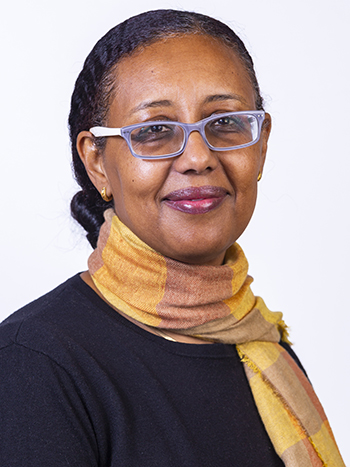
Prof Amira Osman
Department: Architecture and Industrial Design
Faculty: Engineering and the Built Environment
Tel: +27 12 382-5719
E-mail: OsmanAOS@tut.ac.zaProf Osman is rated C by the NRF.
-
A nation’s economic development and environmental sustainability are dependent on affordable and sustainable electricity. Energy management has been proven to alleviate the imbalance between energy demand and production, especially to improve availability and reliability.
The Chair aims to contribute to the development of expertise in the field of energy management to address a variety of challenges facing South Africa around energy production and utilisation. It does this by contributing to the development of modelling competencies in energy and power systems, which aim to shift the country to a more varied, decentralised and dynamic energy supply and demand system.
The Chair focuses on energy optimisation in process systems; energy economics; alternative energy sources; conversion systems with an emphasis on micro/mini grids; and distributed systems.
The Chair focuses on energy optimisation in process systems, computational intelligence and behavioural application, energy economics – transactive energy, alternative energy sources, power systems – planning of waste-to-energy and integration of renewable energy sources for operational efficiency, conversion systems with an emphasis on micro/mini grids, distributed systems and new materials development.
Chair
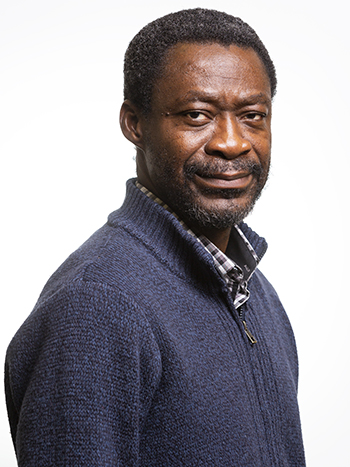
Prof Olawale Popoola
Department: Electrical Engineering
Faculty: Engineering and the Built Environment
Tel: +27 12 382-5195
E-mail: PopoolaO@tut.ac.zaProf Popoola is rated C3 by the NRF.
-
The Chair focuses on post-harvest technology to reduce the loss and waste of fresh produce by targeting role players involved in the post-harvest supply chain, from production, processing, packaging, storage, transportation to retailers.
The objectives of the Chair are to:
- Manipulate the agronomy (impact of light, shade, fertiliser application, cultivar selection or genome-type selection, and different cropping patterns) to improve the nutritional quality of harvested foods.
- Observe the impact of processing and storage on the nutritional quality of fresh produce for the consumers.
- Reduce losses by adopting post-harvest processing of fresh produce, such as introducing solar drying for rural communities.
- Radically transform the food system by focusing on mitigating climate change and adopting food production methods that can survive climate changes.
Another focus of the Chair is plant factories, which is growing plants under artificial light using different LED lights and solar. In addition, propagating the production of indigenous fruit and vegetables. Getting more functional products that can be used during off season or the dry season is also a key focus of the Chair.
To feed people in the future, identifying new sources of plant proteins to mitigate the effect that climate change will have on animal production – which by its nature requires a lot of water – is another area of concern for the Chair. The need to identify grass that is nutritious in protein, which can then be extracted, is therefore an area of importance for the Chair.
Chair:
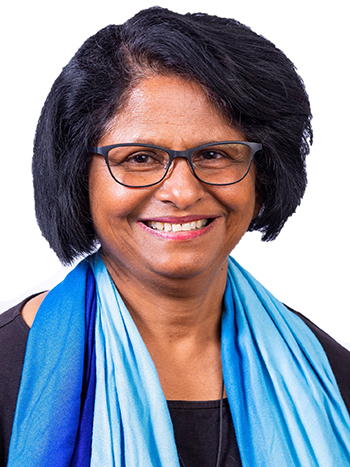
Prof Dharini Sivakumar
Department: Crop Sciences
Faculty: Science
E-mail: SivakumarD@tut.ac.zaProf Sivakumar is rated C1 by the NRF.
-
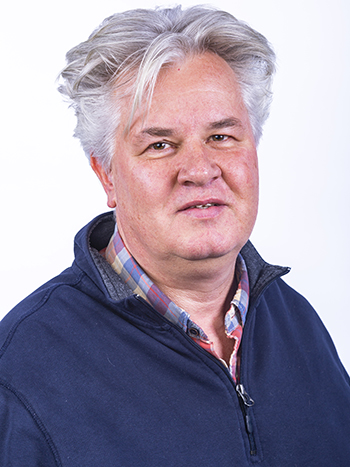
South Africa is blessed with tremendous botanical diversity with over 24 000 species. Many of these species are used medicinally by practitioners of traditional medicine. Herbal medicine, traditional medicine or phytomedicine still remains the primary source of healthcare for a large part of the population of South Africa.
People are under the misconception that because plants are a natural resource, they are safe to use. However, there are many adverse effects that are also associated with plants. The work of the Chair integrates the safety, efficacy and quality of herbal medicines to understand how they work.
The Chair also has a strong focus on standardisation. Phytomedicines will be regulated in the same way that pharmaceutical medicines are regulated – and for this to happen, standards are needed. The Chair is involved in the compilation of monographs, culminating in the production and publication of the first Pharmacopoeia on medicinal plants from South Africa.
Despite the tremendous biodiversity of South Africa and the rich indigenous knowledge systems on local plant use as medicines, it is concerning that very few commercial products have been developed from South Africa’s indigenous flora. There is little translational research to convert these botanical assets into consumer products for healthcare.
The reason for the low uptake in translational research is that the basic research required, which underpins any form commercial development, is largely lacking. Natural product research and medicinal plant research remain neglected fields in South Africa. The Chair is also working on this aspect with industry to provide much-needed research which is important for the commercial development of these plants.
Chair:
Prof Alvaro Viljoen
Department: Pharmaceutical Sciences
Faculty: Science
Tel: +27 12 382-6373
E-mail: ViljoenAM@tut.ac.zaProf Viljoen is rated B2 by the NRF.
-
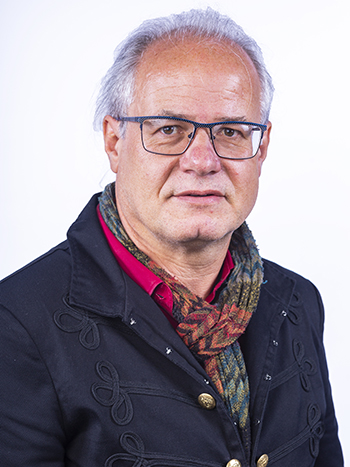
The DSTI-NRF Chair in Acid Mine Drainage, which was inaugurated in 2013, contributes to solving mine-water related problems. It does this by conducting applied research on mine water management and treatment, and the prevention of mine water pollution. Research in this Chair focuses on passive treatment technologies in remote areas and active treatment where local water sources or people might be directly affected by the pollution.
Another focus of research for the Chair is understanding the flooding process and the stratification in flooded underground mines by means of tracer tests and optimised monitoring methods. In an analogue mine model, the world’s largest of its kind, the Chair tries to understand mine-flooding scenarios, stratification and mine water tracer tests.
Chair:
Prof Christian Wolkersdorfer
Department: Environmental, Water and Earth Sciences
Faculty: Science
Tel: +27 12 382-6433
E-mail: WolkersdorferC@tut.ac.zaProf Wolkersdorfer is rated C1 by the NRF.
Industry Chairs
-
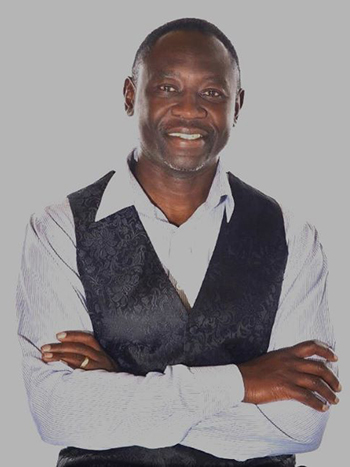
The Chair aims to bridge the gap between critical skills shortages and the industry’s urgent need for advanced skills and technology adoption. It also seeks to boost the competitiveness of South Africa’s construction industry in the Fourth Industrial Revolution (4IR).
The Chair goes beyond research to assist in modernising South Africa’s construction skills by ensuring that education, training and workplace practices remain aligned with the needs of an increasingly digital and automated industry. The Chair aims to create practical, scalable solutions that equip the workforce with the competencies needed for a technology-driven construction environment to deliver meaningful societal impact.
The CETA Research Chair focuses on five key areas to drive digital transformation in South Africa’s construction sector:
- Identifying sector needs and mapping essential digital skills across occupational levels.
- Reviewing TVET and University curricula to align with industry demands.
- Developing a national digital construction competency framework linked to NQF levels.
- Testing and evaluating training modules for critical skills, including Building Information Modelling, drone technology and digital project tracking.
- Proposing policy recommendations and a national roadmap to integrate digital skills into construction education and CETA-supported programmes.
 Chair:
Prof Justus Agumba
Department: Building Sciences
Faculty: Engineering and the Built Environment
Tel: +27 12 382-2895
E-mail: AgumbaJN@tut.ac.zaProf Agumba is rated C2 by the NRF
-
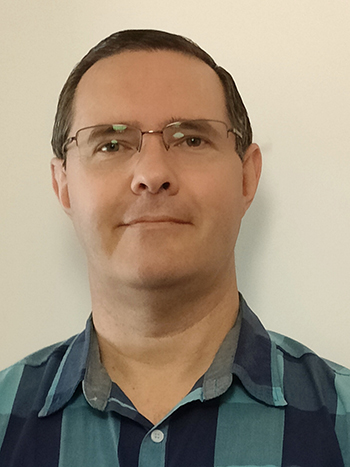
The aim of the Chair is to conduct operational, applied, fundamental and futuristic research to solve Eskom’s technical challenges in the digital revolution and cyber security. Part of this focus includes awarding Master’s and Doctoral degrees for completion of research in the field of digital revolution and cyber security, as well as developing and offering short learning programmes for executive leadership and for engineering and science practitioners. The Chair’s agreement does not include specific research topics, but task orders containing specific research topics that are generated by Eskom during the Chair’s period to which TUT must respond with a proposal and a timeline to complete the task order. If accepted by Eskom, then that task order is performed by TUT.
Chair:
Prof Jaco Jordaan
Department: Electrical Engineering
Faculty: Engineering and the Built Environment
Tel: +27 12 382-3129
E-mail: JordaanJA@tut.ac.za -
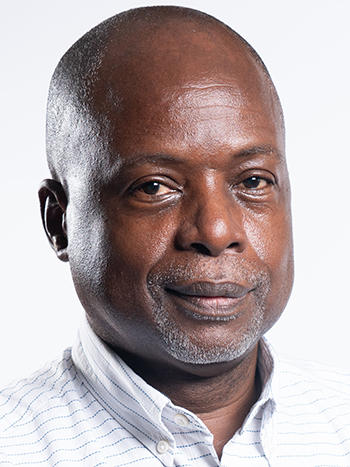
The Chair focuses on the integration and optimisation of fibre optical ground wire (OPGW) technology within power distribution and transmission networks, in projects aimed at enhancing data transmission capabilities and reliability, improving power system monitoring, and ensuring robust communication infrastructure for various applications.
It is also involved in the development of advanced algorithms for real-time monitoring and control, integration of machine learning for predictive maintenance and fault detection, and enhancement of communication protocols to support wide-area situational awareness. In addition to other specific tasks as assigned by Eskom, the Chairs works on enhancement of the communication backbone of power systems, including the use of OPGW as a platform for advanced sensing and monitoring capabilities.
Chair:
Prof Josiah Munda
Department: Electrical Engineering
Faculty: Engineering and the Built Environment
Tel: +27 12 382-4824
E-mail: MundaJL@tut.ac.za -
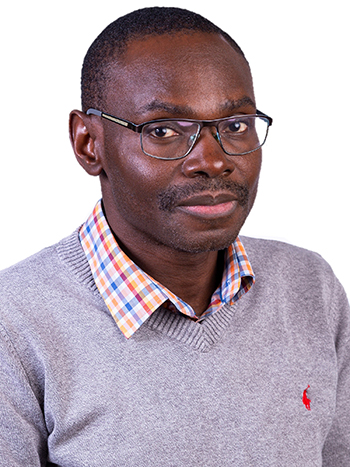
The MICTSETA Chair in the 4th Industrial Revolution is unique in that it focuses on three objectives. The first objective is to look at research and innovation to cover a range of 4IR-related disciplines such as artificial intelligence (AI) and machine learning. The second is service, that is interacting with industry to understand the problems facing it, and the Chair then provides services based on the research products produced. The third objective is training and capacity development, which relates to converting the knowledge gathered through research and using it to empower others in 4IR.
Chair:
Prof Pius Owolawi
Department: Computer Systems Engineering
Faculty: Information and Communication Technology
Tel: +27 12 382-9671
E-mail: OwolawiPA@tut.ac.za -
The main rationale behind the establishment of the Chair is the premise that economic integration is critical for the long-term sustainability of economies across Africa. The agenda for the Chair is geared towards enhancing research capacity building around the political economy of innovation studies and associated policy environments in the Southern African Development Community (SADC) region and in Africa.
The Chair is looking at an alternative approach to economies from an innovation
perspective, that is, innovations that are non-technological but have a significant effect on the trajectory and evolution of national economies.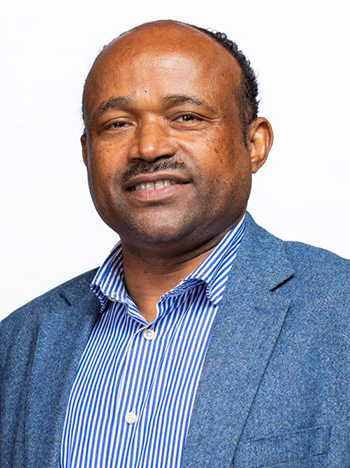
Chair:
Prof Mulatu Zerihun
Department: Economics
Faculty: Economics and Finance
Tel: +27 12 382-0512
E-mail: ZerihunMF@tut.ac.zaProf Zerihun is rated C2 by the NRF.
-
The Gibela Research Chair in Manufacturing and Skills Development pioneers cuttingedge research in manufacturing technology development and value-chain skills development for the revitalisation of the South African railway manufacturing sector. The aim of the Chair is to build state-of-the-art passenger trains for the South African rail network.
Chair (Interim)
Dr Tshifhiwa Nenzhelele
Department: Computer Systems Engineering
Faculty: Information and Communication Technology (ICT)
Tel: +27 12 382-5967
E-mail: NenzheleleT@tut.ac.za -
Chair
Prof Puffy Soundy
Department: Crop Sciences
Faculty: Science
E-mail: SoundyP@tut.ac.za -
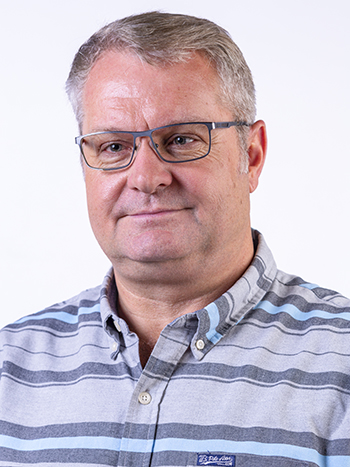
Chair
Dr SJ Jacobs
Department:
Faculty: Engineering and the Built Environment
E-mail: JacobsSJ@tut.ac.za -
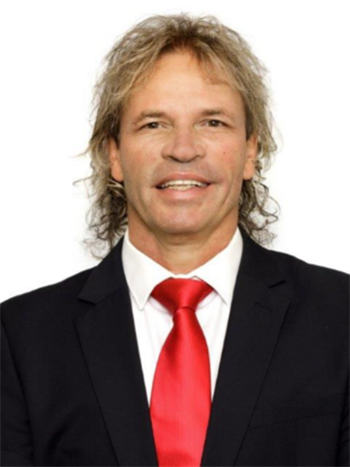
Chair
Prof Jacques Synman
Department: Civil Engineering
Faculty: Engineering and the Built Environment
E-mail: SnymanJ@tut.ac.za -
The main aim of the Chair is to assist in developing and embedding digital transformation tools and skills to help with road infrastructure management. The Chair does this by focusing on four components – research and innovation; capacity development of postgraduate students; skills development of secondary school and unemployed youth; and small, medium and micro enterprise (SMME) training.
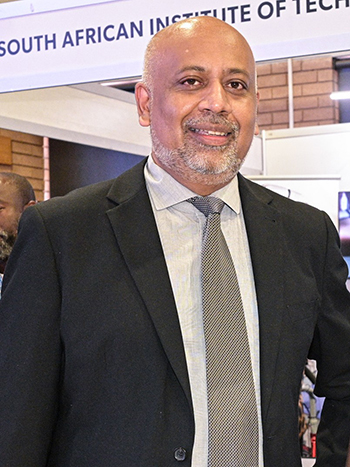
Chair
Prof Anish Kurien
Department: Electrical Engineering
Faculty: Engineering and the Built Environment
E-mail: KurienAM@tut.ac.za